We may earn a commission when you buy through links on this page, at no extra cost to you. How this works.
Portable power stations store lithium battery cells and delicate electronics inside plastic or aluminum enclosures that were never designed for direct rain, blowing dust, or prolonged sun exposure. A sudden downpour can seep into ventilation grilles, corrode circuit boards, and void your warranty. Desert sand clogs cooling fans. UV radiation degrades ABS plastic housings over months of outdoor use, making them brittle and prone to cracking.
Weatherproof covers exist to close that gap. The most effective designs combine a water-resistant outer shell - rated IPX4 or higher - with strategically placed mesh panels that let heat escape during charge and discharge cycles. Without ventilation, a sealed cover traps heat, pushing internal temperatures above the safe operating threshold and triggering thermal shutdowns or, in extreme cases, damaging the battery management system.
This guide evaluates four covers built for specific power station models, each tested against rain, dust, and temperature swings. We focus on fit quality, because a loose cover flaps in the wind and lets water pool on top, while an overly tight design blocks airflow or prevents cable access. Material weight matters too: heavy-duty ripstop nylon or polyester resists abrasion better than thin 210D fabric, but adds bulk when you pack the unit for travel.
We exclude generic tarps and furniture covers. They lack the ventilation ports, cable pass-throughs, and contoured fit that purpose-built power station covers provide. DIY solutions - trash bags, shower caps, plastic bins - may stop a light drizzle but offer no UV protection, no breathability, and no reliable way to secure them in wind. The covers reviewed here are designed to stay in place during operation, not just storage, so you can run your refrigerator or charge tools outdoors without exposing the unit to the elements.
The key decision points are water resistance level, ventilation port placement, compatibility with your exact model and its handle or display layout, and whether the fabric holds up to repeated folding and sun exposure. A cover that checks all four boxes will extend the usable life of your power station and reduce the risk of a costly repair or replacement in the field.
Quick comparison
| ECOFLOW DELTA 3 Heavy Duty Waterproof Solar Generator Cover - Black | Check current price |
| BLUETTI Elite 30 V2 100% Waterproof Portable Power Station Carrying Case | Check current price |
| BLUETTI EB3A Portable Power Station Carrying Case with Ventilation | Check current price |
Use the matching tool first
Start with Balcony Solar Recharge Time Calculator if you want to narrow the fit before checking current offers.
How to Choose the Right Weatherproof Cover for Your Power Station
Choosing the right weatherproof cover depends on how you use your portable power station and where it lives between uses. Start by confirming exact model compatibility - most covers are designed for specific units, and a loose fit leaves gaps where moisture or debris can enter. Measure your power station or check the manufacturer's accessory catalog before ordering.
Ventilation becomes critical if you plan to operate the unit while covered. Power stations generate heat during charging and discharge, and trapping that heat can shorten battery life or trigger thermal shutdowns. Look for covers with mesh panels, zippered vents, or cutouts that allow airflow around intake and exhaust ports. If the cover is only for storage or transport when the unit is off, ventilation matters less than water resistance and dust protection.
Portability requirements shape the style you need. Slip-on covers work well for stationary setups - sheds, garages, or fixed outdoor locations - where the unit stays put and you want quick access. Covers with padded sides, reinforced handles, or full-zipper closure double as carrying cases, useful if you move the power station between job sites, camping trips, or vehicles. The tradeoff: carrying-case designs add bulk and cost, while simple fitted covers stay lightweight and affordable.
Environmental exposure level determines material thickness and seam construction. Occasional rain or dusty storage calls for a basic water-resistant polyester shell. Constant outdoor exposure - under a carport, on a boat, or in high-UV areas - requires heavier-duty fabrics, sealed seams, and UV-resistant coatings. If you store the unit outdoors year-round, prioritize covers with drawstring hems or elastic edges that stay secure in wind.
Use this decision path: if you run the unit while covered, filter first for ventilation features. If you transport frequently, choose a case with handles and padding. If the power station remains stationary and powered off during storage, a fitted dust cover with water resistance will suffice. Match the cover's protection level to your actual weather exposure, not worst-case scenarios, to avoid overpaying for features you won't use.
Ventilation vs. Water Resistance: The Core Tradeoff
Every weatherproof cover design faces a fundamental engineering challenge: water resistance and ventilation pull in opposite directions. A fully sealed cover blocks rain, snow, and dust effectively, but it also traps heat generated by the inverter, battery, and cooling fans inside your power station. Run a high-wattage load under a sealed cover, and internal temperatures can climb quickly, triggering thermal shutdowns or shortening battery lifespan.
Ventilated covers take the opposite approach. Mesh panels, vented gussets, or raised air channels allow heat to escape during operation, keeping internal components cooler and fans functioning normally. The tradeoff is obvious: any opening that lets air through can also admit wind-driven rain, fine dust, or snow. In moderate drizzle or light outdoor use, ventilated designs work well. In heavy downpours or blowing storms, moisture can work its way inside.
Hybrid covers attempt to split the difference. They incorporate water-resistant vents with baffled pathways, angled mesh that sheds direct spray, or zippered panels you can open during use and close for transport. These designs add complexity and cost, but they let you adapt the cover to the situation rather than choosing one extreme.
Match your cover type to how you actually use your power station. If the unit stays powered off during storms and you only cover it for transport or idle storage, a sealed design makes sense. If you run loads outdoors in variable weather - jobsite tools, tailgate appliances, or emergency backup during outages - prioritize ventilation and accept that you may need to position the unit under an awning or tarp for additional rain protection. For users who do both, a hybrid cover with adjustable ventilation offers the most flexibility, even if it costs more upfront.
Model-Specific Fit: Why Generic Covers Fall Short
A generic tarp or universal cover might seem like a budget-friendly shortcut, but loose fabric creates problems that purpose-built covers avoid. When material drapes without structure, rain collects in folds and channels water directly onto seams, ports, and ventilation grilles instead of shedding it away. Gaps around the base let wind carry dust and moisture inside, while excess fabric can snag on handles or obstruct cooling vents during operation.
The four covers featured in this guide are engineered for specific EcoFlow and Bluetti power station models. Each includes precise cutouts for charging ports, display panels, and airflow channels, so you can run your unit under cover without blocking critical cooling paths. Tailored dimensions eliminate the slack that causes moisture pooling and ensure zippers, drawstrings, or elastic hems seal tightly at anchor points.
Using an ill-fitting cover also introduces safety and warranty risks. Fabric that blocks ventilation openings can trap heat during charge cycles, forcing the battery management system to throttle output or trigger thermal shutdowns. If a generic cover contributes to overheating or allows water intrusion that damages internal components, the manufacturer may decline warranty coverage. Custom-fit designs reduce these risks by maintaining the thermal and moisture barriers the product was designed to operate within.
Fit quality directly affects how well a cover protects in extreme weather. A snug, model-matched cover stays in place during high winds, prevents trip hazards from trailing fabric, and keeps every vent and port accessible when you need to connect cables or check the display without removing the entire cover.
Material Durability: What Separates Outdoor-Grade from Indoor Dust Covers
Outdoor-grade covers rely on fabrics engineered to withstand moisture, sunlight, and physical wear over multiple seasons, while indoor dust covers use lighter materials that filter airborne particles but fail when exposed to rain or UV radiation. Most weatherproof models use 600-denier or 900-denier polyester with a tight Oxford weave, which resists tearing when branches scrape the surface or when you pull the cover off in a hurry. The denier count measures thread thickness - higher numbers mean heavier fabric that stands up to abrasion but adds weight to the folded cover.
Waterproof performance comes from a polyurethane or PVC coating bonded to the interior face of the fabric. This coating blocks water molecules while the outer weave sheds droplets, creating a two-layer defense against rain and snow melt. Indoor covers skip this coating entirely, so moisture soaks through within minutes during a storm. Without the coating, seams also remain vulnerable because standard stitching creates hundreds of needle holes that act as water channels.
UV inhibitors mixed into outdoor-grade polyester slow the breakdown of polymer chains caused by sunlight exposure. Covers without UV treatment become brittle after six months of direct sun, developing cracks that let water seep through and compromise the entire protective barrier. Temperature swings between freezing nights and hot afternoons also stress uncoated fabrics, causing them to stiffen in cold and sag in heat.
Reinforced seams use double or triple stitching with bonded thread, and many manufacturers add heat-sealed seam tape over the stitch lines to close the needle holes. Indoor covers use single-stitch construction because they never face wind-driven rain or the mechanical stress of securing a cover during a storm. Corner reinforcements and stress points near zipper pulls or buckle anchors prevent the fabric from tearing when you tighten straps or when gusts pull at the edges.
A well-constructed outdoor cover using coated 600D polyester and sealed seams typically lasts three to five years in variable climates before the coating begins to peel or the fabric shows thin spots. Indoor dust covers may last just as long indoors but degrade in one season outdoors, forcing replacement at twenty to forty dollars per cycle. Choosing a cover matched to your actual exposure - direct sun, coastal salt spray, or high-altitude cold - determines whether you replace it annually or get several years of reliable protection.
Frequently Asked Questions About Weatherproof Power Station Covers
Choosing the right weatherproof cover raises practical questions about use, compatibility, and care. Here are answers to the most common concerns.
Can I use my power station while it's covered?
It depends on the cover's ventilation design. Some covers include mesh panels or zippered openings that allow airflow while the unit runs, but fully enclosed covers without ventilation can trap heat and damage your power station during operation. Always check the manufacturer's guidance - most recommend removing solid covers before running the unit under load or charging, especially in warm conditions.
Will a cover void my warranty?
No, using a weatherproof cover will not void your warranty if you follow the manufacturer's instructions. Covers are designed to protect your investment, not interfere with it. Problems arise only if the cover causes overheating, blocks required airflow during operation, or moisture becomes trapped inside due to improper use. Keep the interior dry and allow ventilation when the unit is active.
How do I clean and maintain a weatherproof cover?
Wipe down the exterior with a damp cloth and mild soap to remove dirt, dust, or salt residue. Rinse thoroughly and let the cover air dry completely before storing or reusing it. Avoid machine washing unless the product label explicitly allows it, and never use bleach or harsh solvents that can degrade waterproof coatings. Inspect seams and zippers periodically for wear.
Can I use a cover with solar panels attached?
Check whether the cover includes cable pass-throughs or access ports. Some designs feature reinforced grommets or zipper openings that accommodate charging cables and solar panel connections without compromising weather protection. If your cover lacks these features, you may need to remove it during solar charging or modify the setup to prevent cable pinch points and moisture ingress.
Do I need a separate cover for each power station model?
Yes, for proper fit and effective protection. Generic one-size covers often leave gaps that allow rain, dust, or debris inside, and loose fabric can flap in wind or block vents. Model-specific covers are tailored to the dimensions, port layout, and handle placement of your unit, ensuring snug protection and access to essential features. If you own multiple models, invest in a dedicated cover for each.
When a Cover Isn't Enough: Storage and Shelter Considerations
A weatherproof cover protects your portable power station from rain, dust, and UV exposure, but it cannot overcome the battery chemistry limits or compensate for environments that exceed the unit's operating range. Most lithium-ion and LiFePO4 batteries stop charging safely below 32°F and can suffer permanent capacity loss if stored for weeks in freezing conditions, even under a cover. Similarly, covers shield against splashes and light rain, but they are not designed for submersion or multi-day flooding.
In prolonged freezing weather, bring your power station indoors or into a heated garage. If indoor storage is not an option, use an insulated, vented storage box in addition to the cover to create a buffer against rapid temperature swings. High-humidity coastal or tropical environments can promote condensation inside enclosures; in these cases, pair your cover with a weatherproof shelter that allows airflow on all sides, preventing moisture from pooling around vents and charge ports.
Outdoor storage sheds, deck boxes with ventilation slots, or purpose-built battery enclosures offer a second layer of defense when you need to leave a unit outside for extended periods. Position the station on a raised platform or pallet to keep it off cold or wet ground, and always remove the cover briefly after heavy rain to confirm no water has seeped under seams. When ambient conditions fall outside the manufacturer's temperature or humidity spec for more than a day, a cover alone will not maintain safe operation - plan to move the unit to a controlled environment or accept a seasonal pause in outdoor use.
Protecting Your Power Station Investment
A portable power station represents a significant investment, often ranging from $500 to over $2,000 depending on capacity and features. Protecting that equipment with a $20-25 weatherproof cover is one of the most cost-effective decisions you can make for outdoor use or storage.
Moisture infiltration, dust accumulation, and prolonged UV exposure can all degrade internal components, corrode ports, and reduce battery lifespan. Many manufacturers explicitly state that environmental damage voids warranty coverage, making prevention far more economical than repair or replacement.
The four covers in this guide address different protection priorities. The EcoFlow Delta 2 case delivers full water resistance with secure zipper closure for frequent outdoor transport. The Bluetti AC200MAX sleeve offers balanced weather protection and ventilation for stationary outdoor setups. The EcoFlow River 2 cover fits compact units and provides practical splash resistance for camping trips. The Bluetti EB3A pouch handles light rain and dust for smaller emergency kits without adding bulk.
Before purchasing any cover, verify compatibility with your exact power station model. Dimensions and port layouts vary significantly even within the same product family, and a poorly fitting cover can block ventilation or leave critical areas exposed. Check the manufacturer's recommended operating and storage temperature ranges as well - most lithium battery systems perform best between 32°F and 104°F, and a cover does not replace the need to bring your unit indoors during temperature extremes.
The right cover extends the functional life of your power station by keeping moisture, particulates, and sunlight away from sensitive electronics and battery cells. Match the cover's protection level to your actual use environment, and treat it as essential gear rather than an optional accessory.
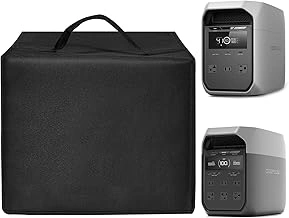
ECOFLOW DELTA 3 Heavy Duty Waterproof Solar Generator Cover - Black
The ECOFLOW DELTA 3 Heavy Duty Waterproof Solar Generator Cover delivers a secure fit engineered specifically for the Delta 3 form factor, with waterproof fabric that blocks rain and dust from reaching ports and vents. The black cover uses a durable material construction that resists UV degradation during prolonged outdoor storage, making it a practical option for users who keep their power station in sheds, garages, or covered outdoor areas where moisture and sunlight are concerns.
This cover wraps tightly around the Delta 3 chassis, preventing water intrusion at seams and openings. The tailored design means no excess fabric bunching or gaps that could let moisture pool near sensitive electronics. For anyone storing a Delta multiple an unheated space or transporting it in a truck bed, this cover provides a straightforward layer of protection without adding bulk.
Ventilation is minimal by design - this is a storage cover, not an operational sleeve. Do not leave it on during active use or charging, as heat buildup can stress internal components. Remove the cover before powering devices or connecting solar panels. The fabric blocks airflow intentionally to keep out rain and dust, so it works best when the unit is idle.
At $18.86, the cover offers a low-cost safeguard for a Delta multiplevestment. It won't replace a climate-controlled environment, but it reduces exposure to the elements when indoor storage isn't available. If you routinely move your power station between job sites or leave it in a vehicle overnight, the custom fit and waterproof barrier justify the modest price.
- ✅ Custom fit for EcoFlow Delta 3 eliminates gaps and bunching
- ✅ Waterproof fabric blocks rain and dust from ports
- ✅ UV-resistant material for prolonged outdoor storage
- ✅ Affordable at $18.86 for a tailored protective cover
- ⚠️ Not designed for use during operation or charging
- ⚠️ Minimal ventilation - heat buildup risk if left on while active
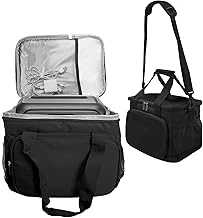
BLUETTI Elite 30 V2 100% Waterproof Portable Power Station Carrying Case
The BLUETTI Elite 30 V2 solves two problems at once: it protects your power station from water and weather, and makes transport easier with integrated handles and a shoulder strap. Unlike slip-on covers that stay on the unit during use, this is a hard-shell carrying case with a fully sealed zipper system that the manufacturer rates as 100% waterproof.
The case uses thick padding on all interior surfaces to cushion the power station during movement. Two reinforced carry handles sit on opposite sides, and a detachable shoulder strap clips to metal D-rings for hands-free carrying. The zipper runs the full perimeter and includes a rubberized flap that folds over to block water entry. At $24.99, it offers both portability and sealed storage in one package.
This design works best when you need to move your power station between locations or store it in damp environments like sheds, garages, or truck beds. The fully enclosed structure blocks rain, snow, and splashes more completely than vented covers. Internal straps hold the unit in place, which helps reduce the chance of shifting during transport.
The tradeoff is ventilation. Because the case seals completely, you must remove the power station before use - it cannot run while zipped inside. Heat from charging or output will build up with no airflow. If you need weather protection during active operation, a vented slip-on cover suits that scenario better. But for anyone who hauls a portable power station to job sites, camping spots, or emergency locations, the Elite 30 V2 combines weather sealing with a carrying solution that standalone covers do not provide.
The case fits Bluetti's compact models in the Elite 30 size range. Check your power station's dimensions before ordering, as the hard-shell design does not stretch or adapt to different shapes the way fabric covers can.
- ✅ Dual function as weatherproof case and carrying solution
- ✅ Fully sealed zipper system rated 100% waterproof
- ✅ Thick internal padding protects during transport
- ✅ Reinforced handles and detachable shoulder strap
- ✅ Affordable at $24.99
- ⚠️ Must remove power station before use - no ventilation for active operation
- ⚠️ Hard-shell design fits specific Bluetti models only
- ⚠️ Heavier and bulkier than slip-on fabric covers
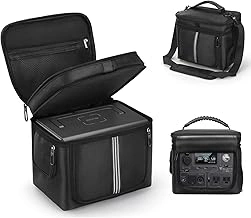
BLUETTI EB3A Portable Power Station Carrying Case with Ventilation
The BLUETTI EB3A Portable Power Station Carrying Case solves a problem most covers ignore: you can run your power station while it stays protected. Ventilation ports built into the case allow air to circulate during operation, which matters when you're powering devices outdoors in light rain or dusty conditions and can't leave the unit exposed.
This case is purpose-built for the Bluetti EB3A model. The fit is snug - ports and controls remain accessible, but the case stays close to the body of the unit. The water-resistant fabric sheds rain and spray, though it's not designed for submersion or heavy downpours. Think of it as weather protection for active use, not storage in standing water.
Airflow port placement is intentional. Ventilation openings align with the EB3A's cooling vents, so the unit can exhaust heat while the case blocks dust and moisture from other angles. This makes the case practical for job sites, camping setups, or outdoor events where the power station needs to stay running in marginal weather.
The shoulder strap and compact design make transport straightforward. At $22.99, it's an affordable way to extend the usable conditions for your EB3A without adding bulk or requiring you to uncover the unit every time you need power.
The tradeoff is compatibility. This case only fits the EB3A and similar small Bluetti models. If you own a larger unit like the AC200P or a power station from another brand, you'll need a different solution. For EB3A owners who work outdoors or camp in variable weather, the ventilation design and snug fit make this case a practical upgrade.
- ✅ Ventilation ports allow safe operation while covered
- ✅ Snug fit designed specifically for Bluetti EB3A model
- ✅ Water-resistant fabric sheds light rain and dust
- ✅ Shoulder strap and compact design for easy transport
- ✅ Affordable at $22.99
- ⚠️ Only fits EB3A and similar small Bluetti models
- ⚠️ Not submersible or suitable for heavy rain
- ⚠️ Limited compatibility with other brands or larger units
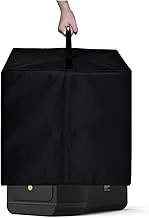
ECOFLOW Delta 2 Heavy Duty Waterproof Portable Power Station Dust Cover
The ECOFLOW Delta 2 Heavy Duty Waterproof Portable Power Station Dust Cover costs $21.99, making it the most budget-friendly option in this lineup while still delivering waterproof and dust-blocking protection. Designed to fit the Delta 2 specifically, the cover offers a custom contour that shields the unit from rain and outdoor debris without the bulk or extra features found in higher-priced models.
This cover uses a waterproof material that keeps moisture out during rain or light splashes, and the dust-blocking construction helps reduce the chance of grit and dirt from settling on ports or vents. The fit is tailored to the Delta 2's dimensions, so the cover sits snug without excess fabric flapping in the wind. That snug fit also means you won't find built-in carry handles or additional padding - features common on covers priced multiple higher.
Where this cover saves money is in simplicity. There are no reinforced side panels, no thick foam inserts, and no portability enhancements. You put it on, it stays in place, and it blocks water and dust. For stationary setups - like a Delta 2 stationed on a patio, in a shed, or at a semi-permanent campsite - this approach works well. You're not moving the unit frequently, so the lack of handles or extra padding doesn't create a tradeoff.
If you need to carry your power station often or want cushioning during transport, a more expensive cover with integrated handles and foam reinforcement will be a better match. But if your Delta 2 sits in one spot and you want affordable protection from the elements, this cover delivers the essentials without inflating the price.
The 4.8/5 rating reflects solid performance for the price point. Budget-conscious buyers who prioritize weather and dust resistance over portability features will find this cover fits both the Delta 2 and the wallet.
- ✅ $21.99 price point - most affordable option for Delta 2 protection
- ✅ Waterproof material blocks rain and moisture
- ✅ Custom fit for Delta 2 dimensions reduces loose fabric
- ✅ Dust-blocking construction keeps ports and vents clean
- ✅ 4.8/5 rating confirms reliable everyday use
- ⚠️ No built-in carry handles for portability
- ⚠️ Lacks foam padding or reinforced panels
- ⚠️ Best suited for stationary setups rather than frequent transport
What to Look for in a Weatherproof Power Station Cover
- Confirmed compatibility with your exact power station model and dimensions
- Waterproof or water-resistant rating appropriate to your exposure level
- Ventilation ports if you plan to operate the unit while covered
- UV-resistant material to prevent degradation from sunlight
- Secure closure system - zippers, drawstrings, or Velcro - to prevent wind lift
- Durable fabric weight that resists punctures and abrasion